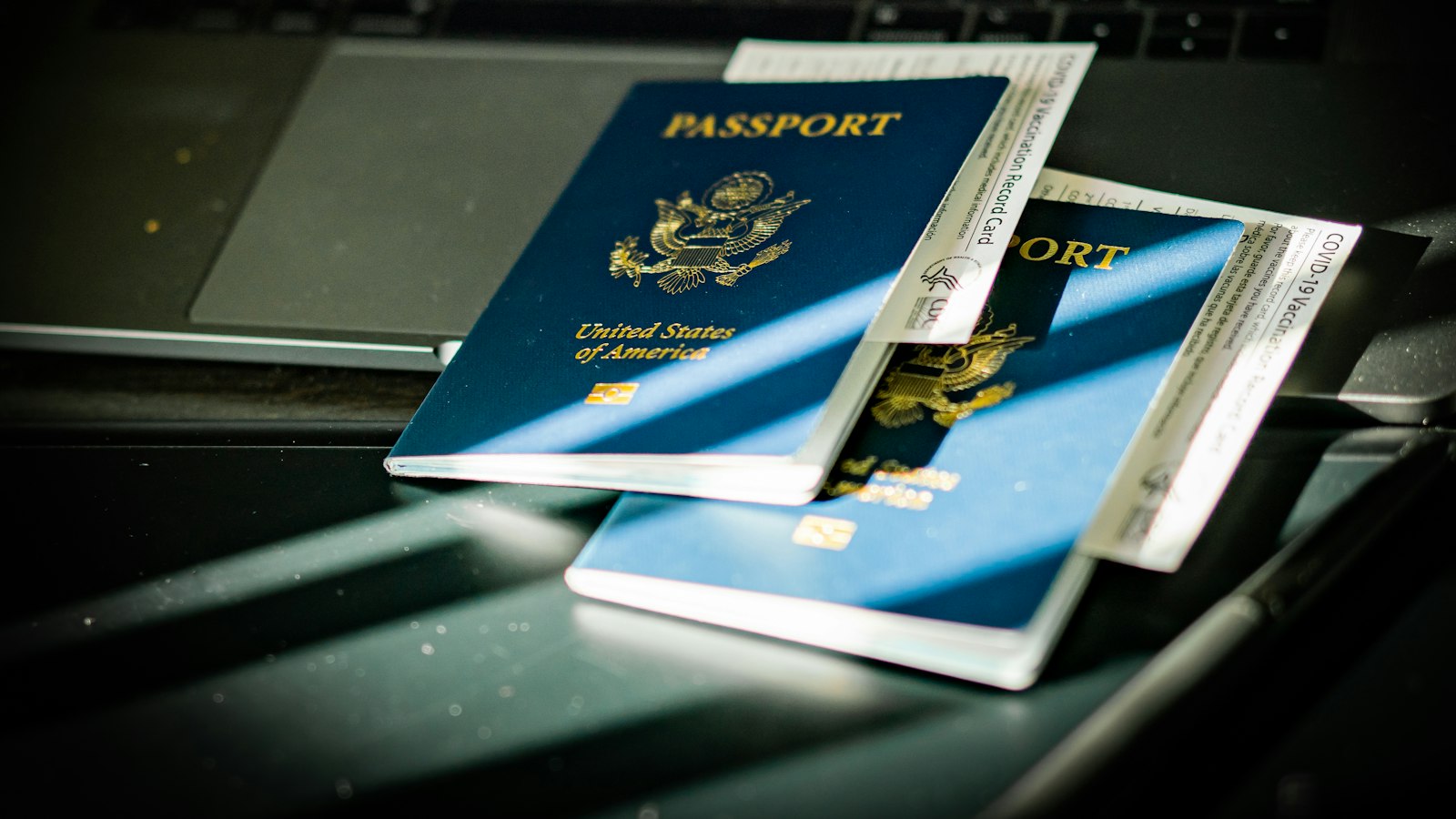
Three kinds of forgery
Document forgery is not one behaviour. Three methods leave three different traces:
- Digital editing. Fields are altered on the image of a genuine document. Typography, pixel consistency and compression traces break down.
- Reprinting. The edited image is printed on paper and shown to the camera. Print texture and colour behaviour differ from the original material.
- Screen display. The document is read off a phone screen, where the pixel grid and glare are detectable.
An OCR layer that only reads data passes all three — because the fields are legible. The problem is not the readability of the data; it is the authenticity of the document.
What the inspection looks at
Automated document checking weighs three separate signals together:
Structural consistency. The MRZ lines are cross-checked against the printed fields. Name, date of birth and document number should match in both places, and when they do not, that alone is a strong signal.
Print and typography. Official documents are produced with standard typefaces and printing methods. An altered field does not carry the same character as the text around it.
Security features. Hologram traces, microprinting and material behaviour produce signals that remain analysable even at the scale a camera captures.
Why it should run in one call
Splitting data extraction, format validation and forgery analysis into separate steps creates two costs: the integration gets more complex, and the results can drift out of agreement with each other.
When all three run in the same call, the extracted data and the forgery score become part of the same record. Name and document number come back as structured JSON, and the forgery score and its reason arrive in the same response.
Manual data entry in your signup form disappears along the way — a user cannot mistype data they never typed.
The decision stays yours
A forgery score is not a decision; it is decision support. You set the acceptance threshold against your risk policy: anything above it is approved automatically, and a borderline record reaches your compliance team with its reasoning.
That distinction matters. The automated system's job is to make risky records visible. The commercial decision is yours.